


Medicare Doesn’t Have to Be Confusing
When you’re approaching 65, conversations about Medicare start to pop up everywhere! Mailers, emails, HR updates, and well-meaning advice from colleagues, friends and family.
But here’s the thing: Medicare is not a one-size-fits-all system. The choices you make, about when to enroll, which plan to pick, how to cover prescriptions, can impact your healthcare costs for decades.
In our recent Medicare Education Webinar, we covered the essentials: Parts A and B, enrollment timing, supplemental coverage (Medigap), Advantage Plans, and drug coverage. We also dug into strategies for people working past 65 as well as those dreaming of retiring early.
You can watch the replay of the webinar below or keep reading for a summary. Here’s the breakdown so you can feel confident instead of overwhelmed.
Medicare Parts A and B: The Basics
- Part A (Hospital Coverage): Covers inpatient hospital care, skilled nursing, hospice, and some home health services. Premium-free for most people who paid Medicare taxes while working.
- Part B (Outpatient Coverage): Covers doctor visits, outpatient care, preventive services, and durable medical equipment.
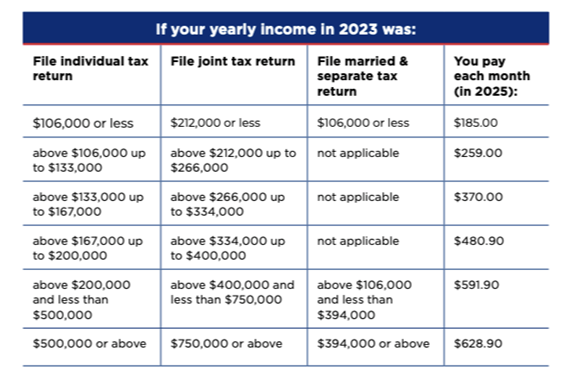
- Premium in 2025: $185/month (higher for incomes above $106,000 single / $212,000 married).
- Annual deductible: $257, after which Medicare pays 80%.
If you’re already collecting Social Security, you’ll be automatically enrolled at 65 and your Medicare premiums will be deducted directly from your Social Security checks. Otherwise, you’ll need to sign up and work with the Social Security Administration to coordinate paying your premiums.
And pay attention!! Missing the right window can mean late-enrollment penalties.
Working Past 65: Do You Need Medicare Right Away?
Here’s where a lot of people get tripped up. If you’re still working at 65 and have employer coverage:
- If your employer has 20+ employees: You can delay Part B without penalty as long as your employer coverage is considered “creditable.”
- If your employer has fewer than 20 employees: You should enroll in Medicare Part A and B at 65 to avoid gaps and penalties.
Pro tip: Contact Social Security about two to three months before retiring to time your Part B coverage to start when your employer plan ends.
Supplemental Coverage: Medigap in Massachusetts
Original Medicare (Parts A + B) doesn’t cover everything. That’s where Medigap comes in.
In Massachusetts, there are three standardized Medigap plans:
- Core Plan: Lower premium (~$120/month) but leaves you on the hook for the Part A deductible ($1,676 in 2025).
- 1A Plan: Mid-range coverage (~$150–$200/month).
- Plan 1: More comprehensive, covering hospital deductibles and coinsurance (~$200–$260/month). However, it is closed to most new enrollees.
Medigap plans are great if you want predictability and flexibility - no networks, and you can see any doctor who accepts Medicare nationwide.
Prescription Coverage: Medicare Part D
If you go with Original Medicare + Medigap, you’ll need to add a Part D prescription drug plan.
- Premiums range from $8 to $100+ per month depending on coverage.
- Optional deductible (up to $590).
- In 2025, once you spend $2,000 out of pocket, the plan covers 100% of your prescriptions.
When choosing a Part D plan, don’t just look at premiums - make sure your actual prescriptions are covered affordably. Tools like Medicare.gov or the Mass College of Pharmacy site help you compare.
Medicare Advantage Plans: All-in-One Option
Medicare Advantage (Part C) plans bundle Parts A, B, and often D.
- Many plans have low or $0 premiums but require copays for services.
- Plans may include extras like dental, vision, hearing, gym memberships.
- Plans have an annual out-of-pocket maximum (something Original Medicare + Medigap doesn’t).
- Plans are typically HMO or PPO networks—meaning less flexibility compared to Medigap.
Important: Advantage Plans should be re-evaluated each year during the Annual Election Period (Oct 15–Dec 7) because coverage and drug formularies change.
Travel Considerations
Pro tip: Do you dream of travelling in retirement?
- Original Medicare provides limited coverage outside the U.S.
- Some Medigap and many Advantage Plans include worldwide emergency coverage.
- Supplemental travel health insurance, such as GeoBlue, can fill the gap if you’re a frequent traveler.
Retiring Before 65: Bridging the Gap
If you’re not yet Medicare-eligible but would love to leave your job, it’s all about comparing costs and coverage until Medicare kicks in. Here are your options:
- Spousal coverage: if your spouse is still working, get onto their health plan, as retirement is considered a qualifying event.
- COBRA: This allows you to extend employer coverage 18–36 months. Note, this is often expensive.
- Direct-purchase plans: another option is to purchase a private health insurance plan through the Health Insurance Marketplace or MassHealth Connector. If you’re a business owner, this expense is often deductible.
FAQs About Medicare Enrollment
1. What happens if I delay signing up for Medicare Part B?
If you don’t have “creditable” coverage from an employer (20+ employees) and you delay enrolling, you could face lifetime penalties added to your monthly premium. Always double-check with your employer’s HR before making a decision.
2. Do I need both Medigap and Part D?
Yes, if you’re choosing Original Medicare. Medigap covers gaps in Parts A and B (like coinsurance and deductibles), while Part D covers prescriptions. They work together.
3. Can I switch from Medicare Advantage to Medigap later?
You can, but it’s not always guaranteed. In Massachusetts, there’s more flexibility because of continuous Medigap open enrollment. In other states, medical underwriting may apply. Check your state’s rules before switching.
4. Will my Medicare premiums change often?
Yes! It is so important to understand your own financial plan, as your income dictates how much you’ll pay for Part B premiums. In 2025, you can see the chart showing the additional surcharges at various income levels. Very few people realize that by working with your wealth and tax management team, we can help you avoid unnecessary Medicare surcharges via proactive management of your income and capital gains exposure.
5. What is the Medicare donut hole?
Prior to January 2025, the donut hole was a temporary limit on what the drug plan would cover for drugs. New for 2025: all Medicare plans include a $2,000 annual cap on what you pay out-of-pocket for prescription drugs covered by your plan.
Quick tip: Medicare questions don’t just affect you. Be sure share this resource with loved ones or colleagues who might be approaching 65.
Key Dates to Remember
- Initial Enrollment Period: Around your 65th birthday (3 months before, month of, 3 months after).
- Annual Election Period (AEP): Oct 15–Dec 7. Switch Advantage Plans or Part D.
- Special Enrollment Periods: For those retiring after 65 with employer coverage.
The Bottom Line
Medicare is one of the most important parts of your retirement plan and also one of the most confusing. The good news? With the right information and guidance, you can make confident choices that protect both your health and your wallet.
Whether you’re retiring at 65, still working, or traveling the world, the key is to plan ahead:
- Review your employer benefits.
- Compare Medigap vs. Advantage.
- Look at your prescription drug coverage.
- Put key enrollment dates on your calendar.
And remember, you don’t have to figure it out alone. We help clients integrate healthcare planning with their retirement and tax strategies.
Want to go deeper? Watch the full replay of our recent Medicare Webinar where we walk through enrollment timing, 2025 updates, and strategies for choosing the right coverage.
Know someone turning 65 soon? Share this blog (and the webinar replay!) with a friend, family member or co-worker who is approaching Medicare age. There more prepared they are, the easier these decisions become.
Schedule a call with us if you’d like personal guidance on building Medicare into your retirement plan.